Rooftop Snow Removal in Long Island, NY
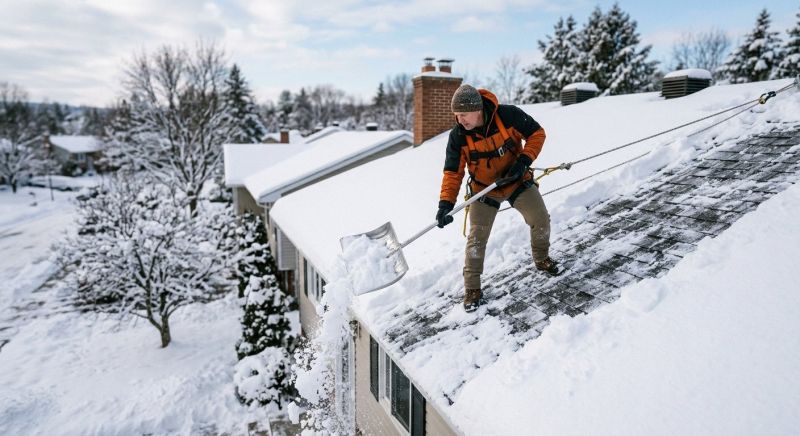
Rooftop snow removal services involve clearing accumulated snow and ice from residential rooftops to prevent potential damage and maintain safety. These projects typically cover homes with flat or sloped roofs and may include removing snow from gutters and eaves to ensure proper drainage. Property owners interested in this service should consider the type of roofing material, the amount of snowfall, and any existing structural concerns, as these factors can influence the best approach for safe and effective snow removal.
Before requesting rooftop snow removal, homeowners often want to understand the scope of the service, including whether it includes ice dam prevention or gutter clearing. It’s also helpful to know if the work involves any access equipment or special precautions for delicate roofing materials. Clear communication about the property’s roof design and snow conditions can help ensure the service aligns with safety considerations and property needs.
Many property owners in Long Island, NY look into Rooftop Snow Removal for repairs, replacements, upgrades, and appearance-related improvements.
Safety And Accessibility
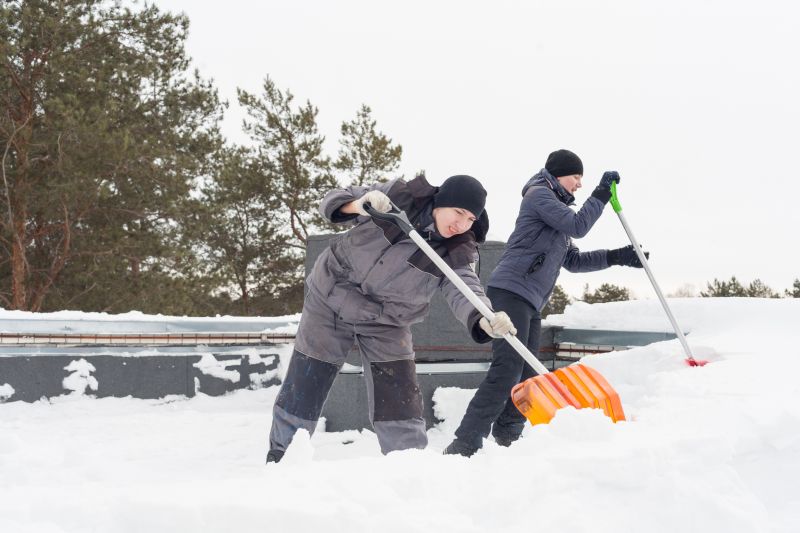
Removing snow from rooftops helps prevent ice dams and structural damage.
Property Preservation
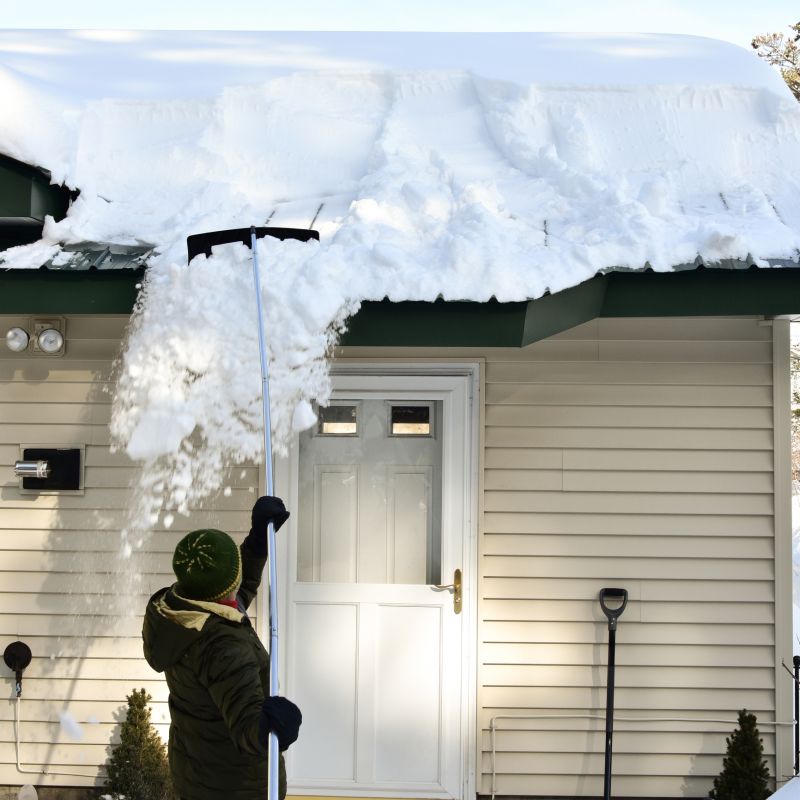
Regular snow removal maintains the integrity of roofs and reduces the risk of leaks.
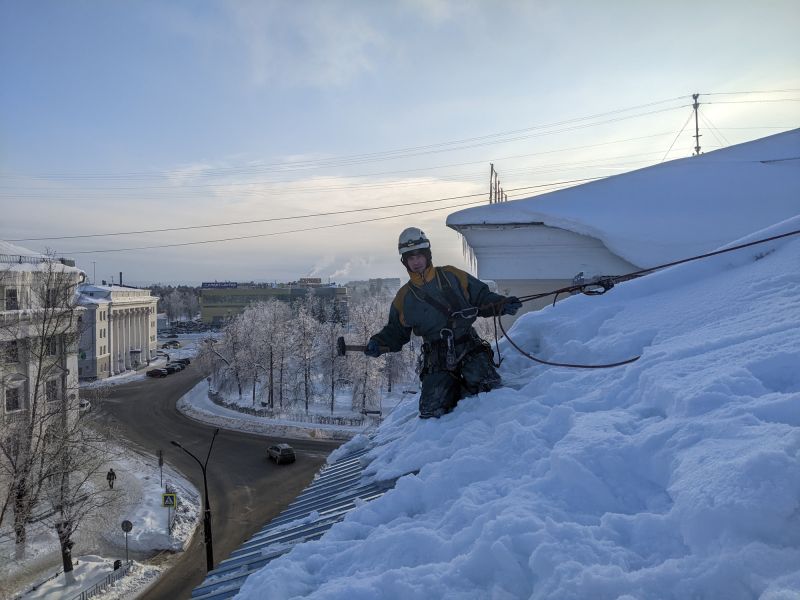
Winter Readiness
Clearing snow ensures safe access and reduces slip hazards on rooftops and walkways.
Rooftop Snow Removal in Long Island, NY

Rooftop snow removal services involve clearing accumulated snow and ice from residential rooftops to prevent potential damage and maintain safety. These projects typically cover homes with flat or sloped roofs and may include removing snow from gutters and eaves to ensure proper drainage. Property owners interested in this service should consider the type of roofing material, the amount of snowfall, and any existing structural concerns, as these factors can influence the best approach for safe and effective snow removal.
Before requesting rooftop snow removal, homeowners often want to understand the scope of the service, including whether it includes ice dam prevention or gutter clearing. It’s also helpful to know if the work involves any access equipment or special precautions for delicate roofing materials. Clear communication about the property’s roof design and snow conditions can help ensure the service aligns with safety considerations and property needs.
Many property owners in Long Island, NY look into Rooftop Snow Removal for repairs, replacements, upgrades, and appearance-related improvements.
Common Rooftop Snow Removal Jobs
Rooftop Snow Removal - Clearing snow from rooftops to prevent ice buildup and damage.
Gutter Snow Clearing - Removing snow and ice from gutters to ensure proper drainage.
Flat Roof Snow Removal - Safely removing snow from flat or low-slope roofs to reduce weight stress.
Chimney and Vent Clearing - Clearing snow around chimneys and vents to maintain ventilation and safety.
Ice Dam Prevention - Addressing snow accumulation to prevent ice dams that can cause leaks.
Storm Damage Assistance - Removing heavy snow after storms to protect the structure and prevent collapse.
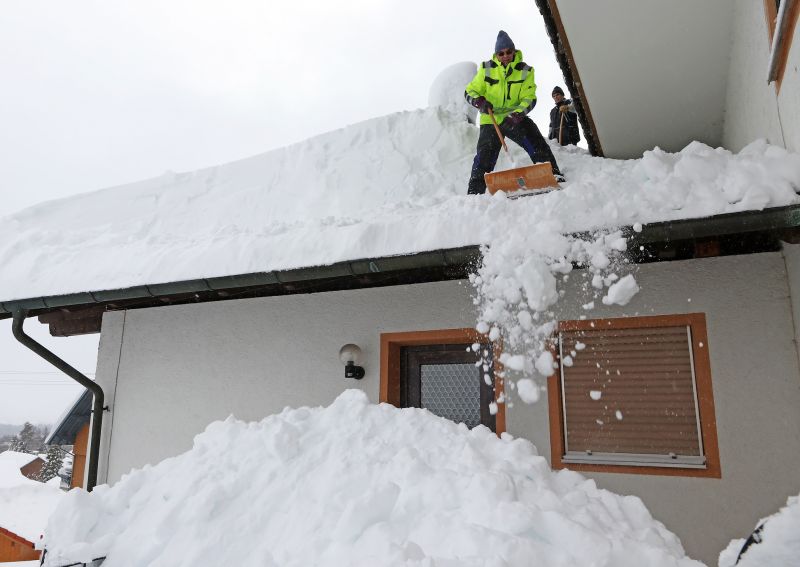
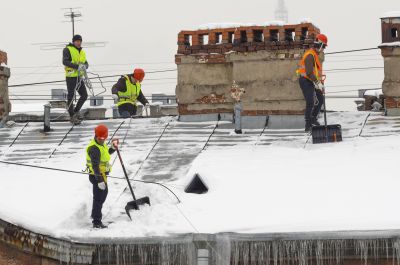
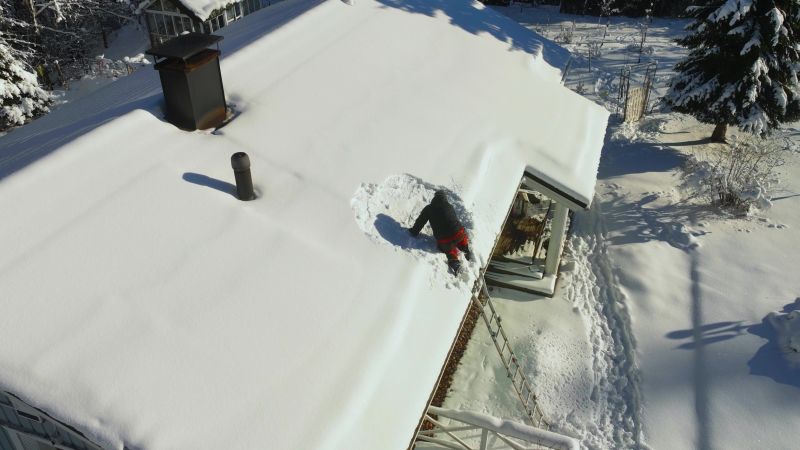
Rooftop Snow Removal Questions
What types of roofs benefit from snow removal? Snow removal is suitable for all types of residential roofs, including asphalt shingles, metal, and flat roofs, to prevent buildup and potential damage.
Why is snow removal important for property owners? Removing snow helps prevent ice dams, reduces weight stress on the roof, and minimizes the risk of leaks or structural issues.
How does snow removal impact roof safety? Timely snow removal reduces the risk of ice sliding or falling snow, helping maintain a safer environment around the property.
What are common projects for rooftop snow removal? Typical projects include clearing heavy snow after storms, removing ice buildup, and maintaining accessible roof surfaces during winter months.
Request Rooftop Snow Removal in Long Island, NY
Use the quote form on this page to share the basics of your project and request more information for the type of work you need.